

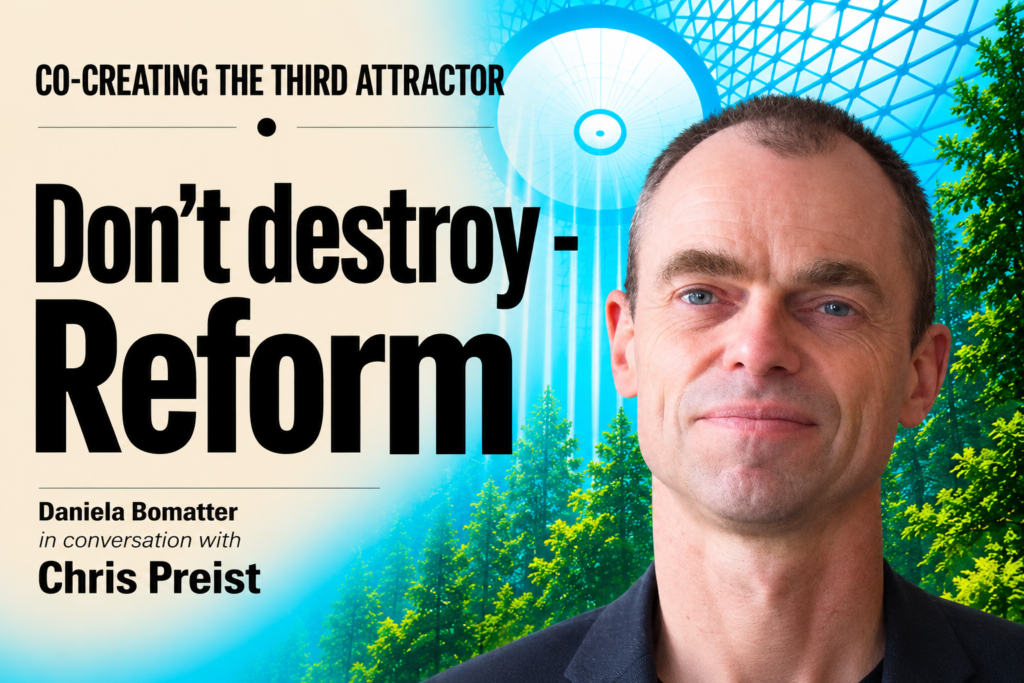
Chris Preist is Professor of Sustainability and Computer Systems in the School of Computer Science at the University of Bristol, and the University’s Academic Director of Sustainability. His research examines the environmental impacts of digital technology, both the direct costs in energy and materials and the wider effects that digital systems have on behaviour, business models and society.
Before joining Bristol in 2009, he was Head of Sustainable IT Research at HP Labs in Bristol, and he has also worked with the sustainability non-profit Forum for the Future. This combination of industry research and academic work shapes his approach, which looks at technical design, organisational strategy and policy together.
A central part of his work applies life cycle assessment to end-to-end digital services. His team modelled the energy used to deliver YouTube worldwide in 2016 and estimated its carbon footprint at around 10 million tonnes of CO2 equivalent, comparable to a city the size of Glasgow. The study was the first to quantify the savings from a specific design change, such as not sending video images to users who only listen to audio, and argued that corporate carbon reporting standards should cover the emissions of digital services. Earlier, his work with Guardian News and Media made it the first organisation to report the full carbon footprint of its digital services. He coined the term “digital waste” for resources spent on parts of a service that give users no real value.
His research also includes how interface design shapes environmentally relevant behaviour, agent-based simulation of socio-economic systems such as tragedy-of-the-commons problems, and the role of computing in the wider transition to address climate change. More recently he has analysed the environmental dynamics of artificial intelligence, showing how AI accelerates digitisation trends that were already driving energy demand, and has taken part in debates on how datacentre electricity use should be modelled. On the participatory side, he contributes to DOWN2EARTH, a project developing mobile tools for climate adaptation with communities in the drylands of East Africa.
As Academic Director of Sustainability, he leads the integration of sustainability into teaching across the University and advises it on its digital sustainability strategy.